

















¼ of Merchants Report Friendly Fraud Is Sometimes an Inside Job
- June 30, 2026
- 0
- 3 min read

Sponsored Content
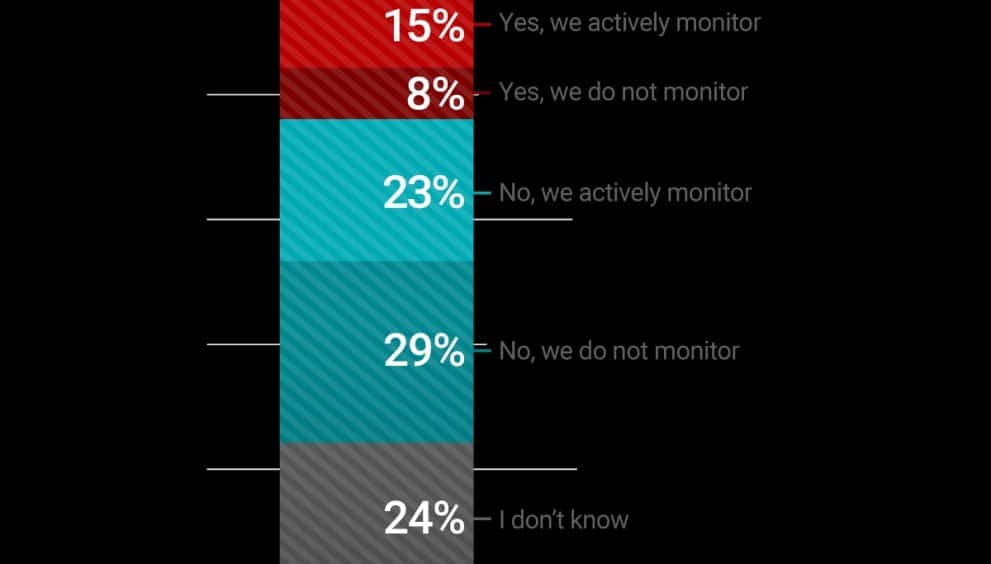
Nearly a quarter of merchants (23%) report issues with employees encouraging customers to file friendly fraud chargebacks, according to a regular Chargebacks911 survey of 250 merchants. The chargeback management solution suggests that the true number is even higher, as only 38% of merchants surveyed actually monitor for this threat. Included within this category are cases of active collusion, where merchant employees tell customers to file for chargebacks instead of requesting a refund and split the resulting payment, as well employees simply telling customers to bypass the refund mechanism by going straight to chargeback without the employees receiving any compensations.
“Not all fraud comes from outside,” Donald Kossmann, CTO at Chargebacks911, was quoted as saying in the report. “Employees, contractors, and vendors can pose risks, too, which is why you need strong internal controls. Separate responsibilities, limit access to sensitive data, do regular audits… it’s about being proactive.”
Notable Figures from the 2026 Chargeback Field Report
The above figures come from Chargebacks911’s 2026 Chargeback Field Report. Other notable statistics in the report included:
- 83.4% of enterprise merchants reported an increase in friendly fraud over the past three years.
- Nearly 62% of surveyed merchants report that chargebacks are becoming more frequent, while 74% specifically point to an increase in friendly fraud.
- 67% of merchants say that refund abuse is a “moderate” or “significant” concern, a marked increased over the 55% who responded this way in 2024.
Who Pays the Bill for Chargebacks
Merchants report that chargebacks are increasing in both value and frequency. However, they already are a mass phenomenon. In terms of value, the median disputed transaction among surveyed merchants was $150, only slightly below the overall median transaction size of $160. This suggests that chargebacks are being driven largely by routine purchases rather than just strategic and opportunistic attempts to “cyber shoplift” high-ticket items.
As stated above, nearly 62% of surveyed merchants report that chargebacks are becoming more frequent. Chargebacks911 attributes this trend in part to the growing ease of filing disputes; cardholders can now initiate chargebacks with a single click or tap, often with less friction than the original checkout.

However, the chargeback actions of an increasing number of consumers are hurting the shopping experience of consumers at large in the form of higher prices. According to the survey, 38% of merchants pass along chargeback costs to consumers with higher prices.
“Friendly fraud has moved from being a back-office inconvenience to a material business risk,” said Monica Eaton, founder and CEO of Chargebacks911. “It is influencing pricing, customer policies, staffing decisions and the economics of digital commerce. The problem is growing faster than many merchants’ ability to identify, measure and manage it.”
Moving Forward In Terms of Tooling
Recent trends towards the adoption of AI in a wide variety of fields have also arrived in the chargeback management space. According to the survey, 26.7% of merchants say they use AI-based fraud prevention tools, while 37% say they plan to do so in the future.
These numbers are important as the dawn of the era of agentic commerce will likely hasten the adoption of AI tools as the number of disputes increases, due to problems in establishing purchase intent.
Payment and fraud experts would do well to keep their eyes on the chargeback management space as major adjustments take place to what will be the new normal in the years to come.



