















Update: Travel Chargebacks Surge, As Spirit Airlines Collapses
- May 6, 2026
- 0
- 4 min read

Sponsored Content
Spirit Airlines’ collapse last weekend led to approximately 1,000% week-over-week increase in disputes on transactions connected to the airline in the first 72 hours following its end of operations, according to issuer chargeback management solution provider Quavo.
Quavo Predicts 60-90 Day Chargeback Surge
Quavo claimed “unmatched” visibility into the chargeback impact of Spirit Airlines’ demise thanks to a client base of 60 financial institutions that process over 15 million disputes per year. The chargeback solution provider said that based historical merchant failure data issuers should expect a sustained elevation in services-not-rendered chargeback claims over the next 60 to 90 days, with the heaviest concentration in the first 30 days and a long tail extending through original travel dates. Passengers who booked Spirit flights nine to eleven months in advance have not yet filed. A second wave is anticipated from cardholders who received partial refunds, voucher credits, or Free Spirit points instead of cash and will pursue chargeback rights regardless. Issuers should also prepare for a spike in first-party abuse riding the back of the legitimate dispute wave, as opportunistic claims rise alongside genuine ones and look identical at intake, as well as a compounding compliance load on Reg E and Reg Z timelines where provisional credit obligations do not pause for merchant bankruptcy.
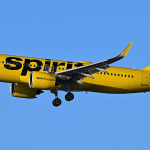
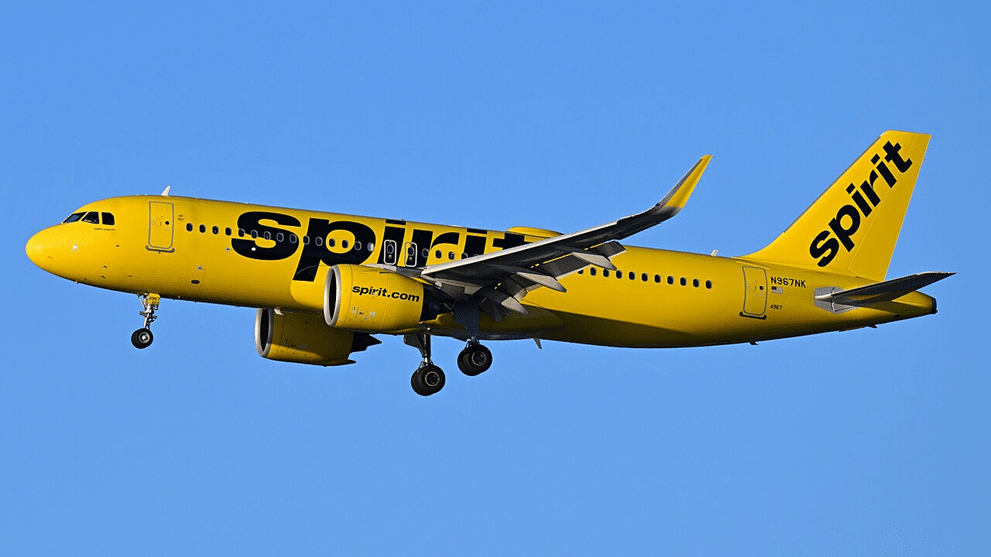
Spirit Airlines decided to unwind operations on Saturday, May 2, stranding tens of thousands of customers without access to customer service reps in a move that was expected to lead to a surge in travel chargebacks. The U.S.-based budget airline had not made a profit since 2019, according to CNBC, and had undergone two bankruptcy filings in recent years to restructure the company. In the end, a sharp rise in jet fuel prices caused by the war on Iran dealt the company a death blow.
A Respectable Run Ended by Politics
Spirit employed 17,000 people and operated hundreds of daily flights across the U.S. for over three decades. Spirit Airlines was founded in 1983 as Charter One Airlines, a charter tour operator. It was rebranded as Spirit in 1992, becoming a passenger airline and a pioneer of low-cost air travel, offering skimpy no frills service in exchange for cheap base fares. Spirit had about 4% of the U.S. domestic flights market share, according to aviation-data firm Cirium and flew around 30 million passengers in 2025, according to Time.
The low-cost airline had been in talks with the Trump administration about a $500 million rescue deal, but was unable to reach a deal. Some criticism of the Biden-era Justice Department and Federal Trade Commission official Lina Khan was voiced in the media, for her rejection of a 2024 merger bid by regional U.S. carrier Jet Blue on the grounds that it would reduce market competition. Now, of course, there will be less competition in the U.S. domestic market regardless.
Spirit Airlines May Sidestep Most Chargebacks
Some of the chargeback damage may be avoided, as Spirit Airlines representatives said customers who paid for their tickets with debit or credit cards would be automatically refunded, according to Fox Business.
“All flights booked with credit and debit cards are in the process of being automatically refunded,” a spokesperson for Spirit told Fox Business. “The majority of guests who booked travel on a credit or debit card were refunded as of Saturday evening, with a small percentage continuing to process.”
However, customers who booked Spirit flights via third-party travel providers must request a refund through their direct travel provider. This added obstacle may lead customers to simply pursue a chargeback out of convenience, hitting online travel agencies, ticket aggregators and other ticket sellers.
As Fraudbeat columnist Ben Herut explained in a previous article on Iran War chargebacks, force majeure and other reasons for failing to provide a service do not usually hold water in chargeback disputes. All the cardholder has to do is prove that services or goods were not rendered, and they will likely win the payment dispute. In order to be victorious, the travel merchant must offer a reasonable resolution path to the cardholder besides chargeback.


