




















FTC Fines Payments Processors $17M for Aiding Fraudulent Merchants
- September 27, 2026
- 0
- 4 min read

Sponsored Content
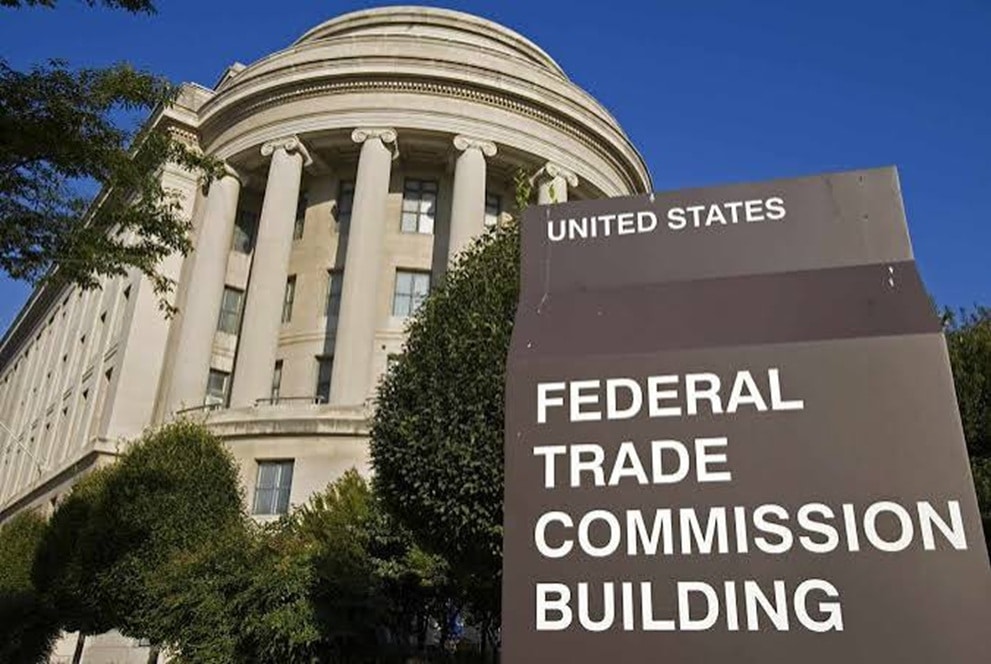
The U.S. Federal Trade Commission (FTC) reached settlements totaling close to $17 million in cases involving two payment processors accused of facilitating transactions for over 1,000 merchants serving as fronts for fraudulent companies engaged in unauthorized billing scams and tech support scams. The two cases involved Humboldt Merchant Services and Nuvei, and in both the payment processors were accused in part of ignoring the excessively high chargeback rates garnered by the troublesome, fraudulent merchants.
“Humboldt was processing payments for companies despite red flags indicating they were scamming consumers,” said Katherine White, Deputy Director of the FTC’s Bureau of Consumer Protection. “This case underscores the FTC’s commitment to holding companies accountable for knowingly supporting fraudulent businesses.”
Among the merchants that Humboldt was accused of processing payments for via shell companies was Legion Media, which the FTC shut down in 2024. Humboldt was accused by the FTC of approving the opening of sham accounts despite red flags indicating the merchants were shells and typically incurred chargebacks at rates that were almost 10 times higher than what credit card brands view as excessive for legitimate merchants. The payment processor was also accused of attempting to increase the volume of transactions processed through these sham accounts by placing them on a lower-risk bank identification number (BIN) licensed by the credit card networks to improve the likelihood that attempted transactions would be approved by cardholders’ banks.
FTC Fines Nuvei $4.9 Million
The primary accusation made against Nuvei involved it’s processing more than $30 million in consumer payments for Reimage, an offshore tech support scam, from 2017 to 2023. The complaint alleged that, through its merchant acquiring bank registered in Cyprus, Nuvei furnished Reimage and other overseas deceptive tech support schemes with payment processing accounts that enabled the schemes to take credit card payments from cardholders in the United States and elsewhere.
The FTC alleged that, in addition to providing credit card processing accounts for Reimage and other tech support schemes, Nuvei’s U.S.-based subsidiary, Nuvei Technologies Inc., also opened and maintained merchant accounts for merchants allegedly selling business opportunities with false or baseless earnings claims such as DK Automation, merchants impersonating government tax authorities such as American Tax Service and merchants that other payment processors or acquiring banks previously terminated for excessive chargebacks or fraud.
The FTC brought enforcement actions against DK Automation and its founder in November 2022 and against American Tax Service and its owners in October 2025.
“Today’s action underscores the Commission’s commitment to ensuring that our payments system operates free of fraud,” said Christopher Mufarrige, Director of the FTC’s Bureau of Consumer Protection. “Our enforcement work reinforces the transparency and trust in the payments system that consumers and businesses depend on. Consumers deserve a payment system that is competitive, transparent and fortified against fraud—and we will take action anytime those standards are threatened.”
Post-settlement Restrictions for Humboldt and Nuvei
Humboldt Merchant Services was fined $12 million by the FTC and was permanently banned from processing payments from high-risk merchants. Nuvei settled with the FTC and agreed to pay $4.85 million in fines. Among other things, the settlement requires Nuvei to screen and monitor its existing and prospective clients, including clients in certain merchant categories such as outbound telemarketing, and conduct enhanced screening and investigation of any existing client whose chargeback rates exceed the limits set forth in the order.
The potential to use excessive chargeback rates as an indicator for future FTC action is an interesting conclusion that arises from both cases, and one that should be interesting to both compliance professionals and those in fraud and finance departments tasked with handling credit card payment disputes.



