

















Evil Bananas: How Organized Crime Feeds Europe’s Drug Habit via Cocaine Smuggling
- August 3, 2026
- 0
- 5 min read

Sponsored Content
Ecuador: Squeezed into Fruit-based Cocaine Smuggling
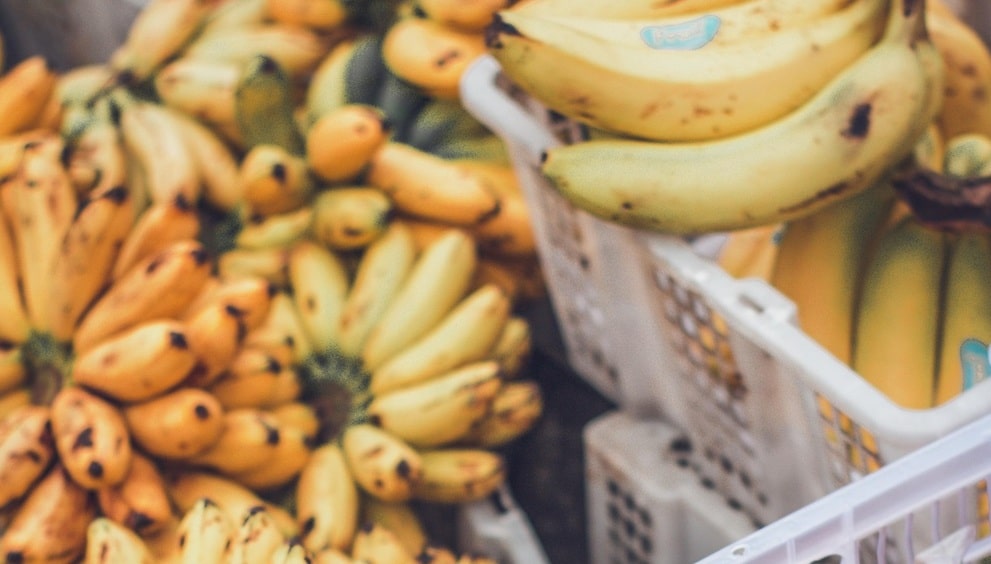
Fruit, especially bananas, is notoriously perishable. They require refrigeration for the long journey from the ports of Ecuador, Peru, or Colombia to destinations in Europe or the Americas. It turns out that cocaine smuggling also does well in refrigerated containers. In 2025, for example, authorities at Portsmouth harbour in the UK caught five Albanian men smuggling cocaine weighing approximately 2,330 kilograms amongst import shipments of bananas.
In most countries, when dealing with produce, customs officials walk a fine line between inspecting thousands of shipments a day and letting goods spoil in line. Understandably, only a sample of containers is ever searched; careful packaging can hide a multitude of contraband beneath legitimate produce.
Drug-trafficking organizations take advantage of this by hiding cocaine among shipments of banana boxes. While the UK bust involved bananas from Colombia, Ecuador does not bear the same stigma for cocaine production.
Perched on the northwest coast of South America, Ecuador is a country slightly larger than New Zealand. Its topography ranges from a 20,000-foot active volcano to the wondrous Galápagos islands. Ecuador’s northern border is dominated by Colombia, while Peru is to the southeast. The region exports several commodities, including bananas. In fact, the legitimate banana trade makes up about two-thirds of the country’s exports. Of that, about 30% goes to EU destinations. The combination of heavy cocaine-producing areas with a high-velocity perishable export trade is ripe for criminal exploitation.
To receive the illicit cargo, as well as to launder the proceeds, criminal gangs create varying levels of front-company operations and false documentation to cover up the activity. In this way, the banana trade serves to both move the illicit product and launder the profits earned in the process.
The Balkan Connection: Cocaine Smuggling Case Studies
In 2018, Albanian authorities arrested Arber Çekaj for organizing drug shipments from Ecuador to Albania. They seized 613 kilos from Cekaj and his associates. It appears that he ran a legitimate fruit import company, but its rapid growth and high profits indicate a likelihood of inflated sales padded with cocaine smuggling money. In one bold move, Cekaj applied for and received EU agricultural funding for a refrigerated facility that would be used to store and distribute drugs.
Dritan Gjika, the notorious head of a large Albanian drug trafficking organization, was caught in UAE in 2025. Over the years, he spent time in Ecuador and set up real and imaginary banana farms. They then used a variety of companies to ship Ecuadorian bananas collated with Colombian cocaine to Central America, Spain, Netherlands, & Belgium. He and his team, with ‘corporate like’ organization, laundered funds by investing in Albanian real estate and development projects, as well as by moving it through companies in Dubai, UAE, and Spain.
Strong-armed mafia-style tactics mean that unsuspecting or ordinary shipping providers can get caught up in the drug-organization’s supply chain. However, with so much money at stake, it is easy for corruption to spread. Croatian court documents from 2021 charge Nikola Đorđević, a Serbian, with engaging in cocaine smuggling via large shipping companies tied to the Ecuadorian president’s family. Since beneficial ownership and due diligence procedures in both the Balkans and South America can be lax or subject to corrupt influence, companies often appear clean or cannot be directly connected to criminal networks.
Yellow Flags: Spotting Fruit-based Money Laundering
Based on the techniques employed by the groups moving products and money in this way, there is a specific drug-trafficking corridor linking Balkan countries, especially Albania, to Ecuador and its neighbors. Large or unusual transactions involving fruit import/export between these two specific regions may be regarded with elevated caution. Both regions have varying degrees of political instability, different cultural norms, and elevated corruption. Therefore, politically exposed persons and their related business entities may also be considered for elevated financial crime risk.
Since cocaine is more expensive per-kilogram and yields a higher margin than bananas, the money laundering problem involves covering up additional revenue beyond what could be earned by the existing volume of banana throughput. Many of the laundering schemes involved simply setting up legitimate agricultural, shipping, warehousing, and distribution companies and their associated facilities. Such companies must create paperwork to inflate production, shipping, and resulting profits. Look for inflated profit numbers relative to the observed size of the operation.
Laundering schemes were reported to be well-organized, with some involving the creation of completely fictional banana plantations and others staging empty warehouses full of workers with proper safety gear. Other methods involved the use of cash for real estate, construction supplies, and related investments. Unusual cash volumes at such businesses could be an indicator of such activity.
To combat laundering via such schemes, a similar theme appears. Businesses must do careful due diligence on their customers, members, and supply chain providers. Financial institutions must collect and analyze customer documentation when dealing with import/export and other trade activity. Criminals are smart, we have to be smarter.