
















The Real Drivers Behind Today’s Chargeback Surge

Fraud is shifting faster than most teams can track, and many of the challenges landing on fraud desks today are not traditional fraud at all. In this column, I will break down the trends, behaviors, and operational gaps shaping modern fraud and chargeback risk, and share practical lessons from the field to help teams stay ahead.
Chargebacks are rising across almost every industry. Even companies that have reduced fraud losses are still dealing with more disputes than ever. In this column, I will tackle why both views miss the core issue.
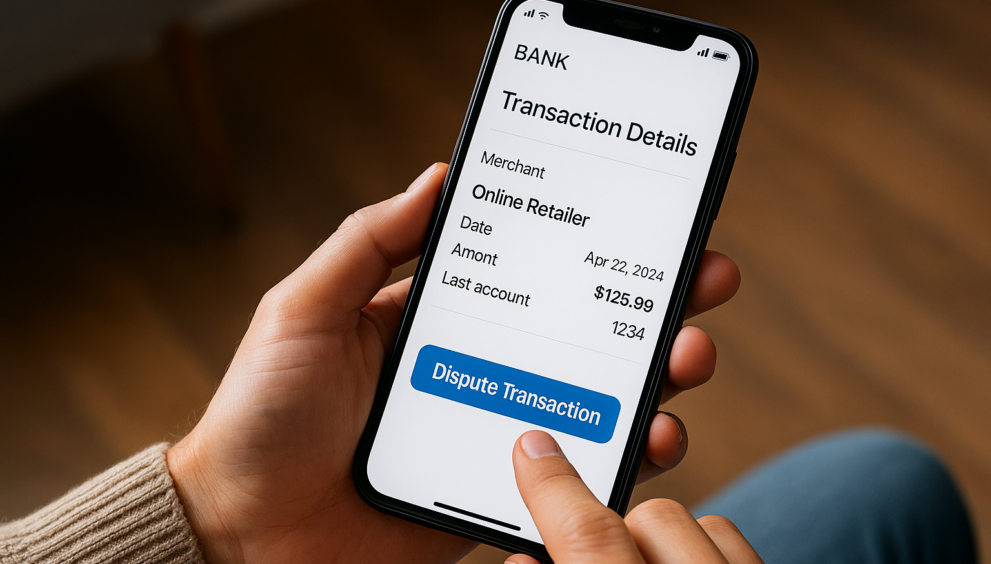
Chargebacks today are not driven mainly by criminals and stolen cards. They are driven by customers who know how to use the dispute system or who turn to their bank before trying to resolve an issue with the merchant (which is essentially bypassing the card schemes guidelines of how to properly handle a card dispute).
Chargebacks Are Growing Faster Than Fraud Losses
Across the industry, one trend is becoming clear. Fraud losses are stabilizing or even declining for many online businesses, yet chargebacks continue to rise. Mastercard reports that global chargeback volume is expected to grow 24% between 2025 and 2028, reaching 324 million transactions a year. Tearsheet, citing the same data, notes that this continued growth is tied to the expansion of digital commerce and the ease with which customers can dispute a transaction. Ethoca adds that this rise parallels a shift in consumer behavior, with digital purchases now making up roughly 63% of merchant transactions worldwide.
At the same time, fraud itself is not increasing. The 2025 Global eCommerce Payments and Fraud Report by the Merchant Risk Council shows that fraud rates have dropped across major fraud types, while behaviors that lead to chargebacks keep rising. Some 62% of merchants reported an increase in first party misuse, and 57% saw higher levels of refund and policy abuse, with more than one in five saying these behaviors grew by at least 50% in the past year.
Convenience also plays a role. The Financial Brand found that more than half of consumers prefer to file disputes directly through their banking app rather than contact the merchant.
In short, the data points in the same direction. Chargebacks are climbing, fraud is not, and the driving force is customer behavior rather than criminal activity.
Most of the Growth Is Coming From First Party Behavior
More than half of the increase in chargebacks comes from first party activity. Some call it friendly fraud, misuse, family fraud, or abuse. The labels vary, but the pattern is the same. A legitimate cardholder makes a purchase, receives the product or service, and then later files a dispute.
This is not always intentional. Some customers forget about a subscription. Some file a dispute because the refund process felt difficult or unclear. And some do it because they know the dispute process is fast and often favors the cardholder.
Even though this behavior is coming from real customers, the financial and operational impact looks the same as classic fraud. That mix is what makes it so hard for fraud teams to manage.
One merchant I worked with discovered that less than 2% of its user base accounted for more than 25% of its chargebacks. The pattern was not stolen card fraud. It was repeat misuse from customers who realized they could trick the system.
Why Traditional Fraud Controls Cannot Fix This
First party disputes happen after the transaction, which means they slip past classic fraud tools.
Fraud teams today are noticing clear patterns:
- Fraud losses are stable, but dispute volume keeps rising
- Most disputes come from transactions that scored as low risk
- Service related reason codes are increasing
- Repeat dispute behavior is becoming more common
- It is harder to understand which disputes are true fraud and which ones are customer driven
When everything gets labeled as fraud, teams end up tightening rules, blocking real customers, and adding friction that decreases revenue. None of those steps reduce first party abuse. They simply shift the losses from fraud to false declines.
The Cost of Fighting the Wrong Battle
When a team treats all disputes as fraud, it loses visibility into the underlying drivers. Fraud teams often find themselves chasing behavior that cannot be solved by more rules, more friction, or more identity checks.
Instead, fraud leaders should separate true fraud from customer-driven disputes and act on each group differently. This is the core shift the industry needs to make.
What Fraud Teams Can Do Right Now
Here are practical steps that risk and fraud teams can use to reduce losses while improving customer experience.
- Track fraud and disputes separately
When teams mix fraud losses with dispute losses, the data becomes blurred. Break out true fraud, service disputes, product disputes, and first party behavior. You cannot fix what you cannot see.
- Identify repeat offenders/abusers
Most merchants discover that a small share of customers drive a large share of disputes (I like to call them “High Rollers”). Once identified, you can adjust refund rules, block repeat abusers, or introduce friction on risky accounts without hurting the broader customer base.
- Improve post purchase communication
Most accidental disputes come from confusion or misunderstanding. Clear order confirmations, transparent billing descriptors, customer friendly cancellation flows, and simple refund pages all reduce friction that leads to disputes.
- Use delivery and usage data to fight disputes
When a dispute is filed, issuers need clear evidence. This includes delivery confirmations, IP logs, download history, login activity, and customer support interaction. In my experience, issuers respond better to clean and focused evidence rather than long emotional narratives.
5. Align fraud and chargeback teams
Fraud teams understand behavioral patterns. Chargeback teams understand reason codes, rules, and evidence requirements. When those two groups operate together instead of in silos, win rates improve and dispute volume decreases. Sharing knowledge is the best thing a merchant can do to win more chargebacks and lose less revenue.
6. Revisit refund and cancellation policies
Strict policies often push customers toward disputing. A more flexible policy can cost less than a chargeback and reduce unnecessary operational load.
There are of course much more that could be done, I hope to elaborate on these additional tips in the next article.
Where the Industry Goes Next
Chargebacks will continue to rise until the ecosystem adapts.
The merchants who embrace this shift early will reduce costs, protect revenue, and operate with cleaner data that benefits fraud models, customer experience, and long term planning.
A Final Thought
The biggest mistake a fraud leader can make today is assuming that rising chargebacks are a fraud problem. The numbers tell a different story. Customer behavior drives most of the growth. The faster we adapt, the faster we regain control.